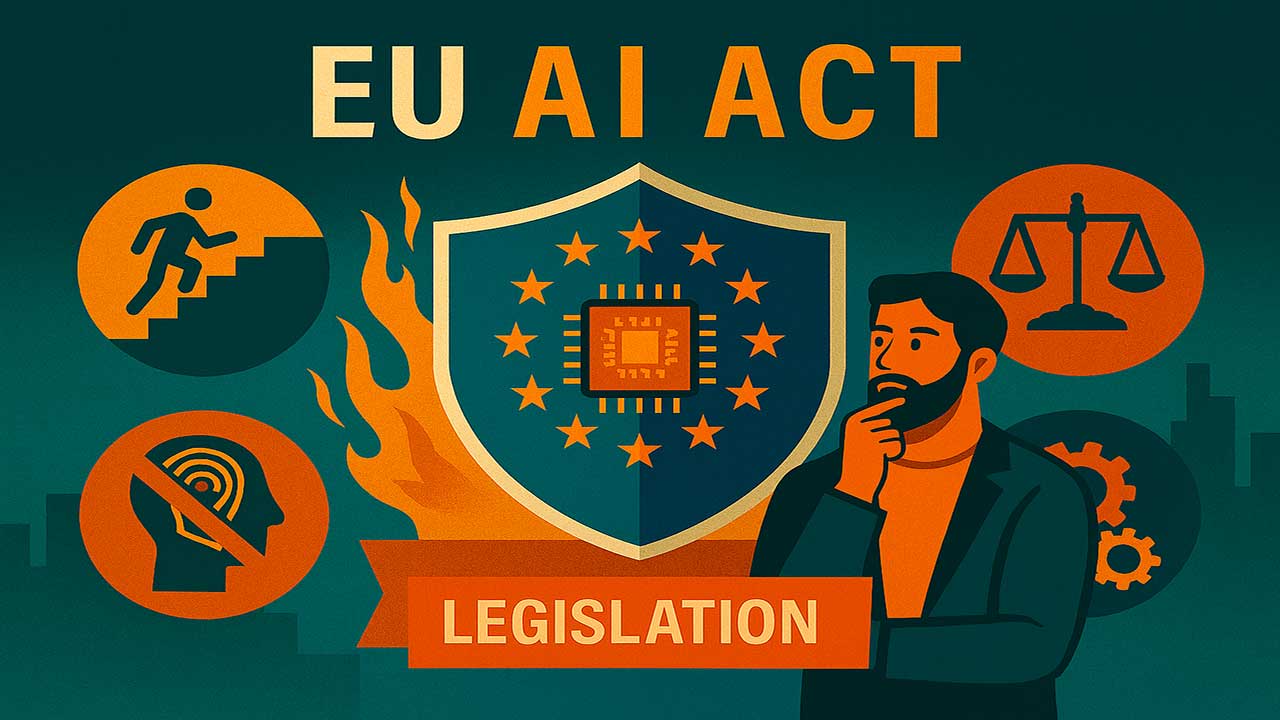
The European Union Artificial Intelligence ACT (EU AI Act) is a significant development in the world of artificial intelligence. It's a legislative proposal by the European Commission that aims to regulate AI systems within the European Union. The act focuses on ensuring that AI is developed and used in a way that is safe, trustworthy, and respects fundamental rights.
The EU AI Act proposes a risk-based approach to AI regulation. It categorizes AI systems into four levels of risk: unacceptable risk, high risk, limited risk, and minimal risk. The higher the risk, the more stringent the requirements become.
For high-risk AI systems, such as those used in critical infrastructure, healthcare, or law enforcement, the act proposes strict obligations. These include requirements for transparency, data quality, human oversight, and robustness. It also establishes a conformity assessment process to ensure compliance with these obligations.
The act also addresses certain AI practices that are considered prohibited. These include AI systems that manipulate human behavior in a deceptive or harmful manner, as well as AI systems used for social scoring by governments.
It's worth noting that the EU AI Act is still a proposal at this point and needs to go through the legislative process before becoming law. However, it reflects the growing global concern about the ethical and responsible use of AI technology. Still some experts and stakeholders have raised various points for consideration.
One concern is the potential impact on innovation. While regulations are necessary to ensure the responsible use of AI, there is a need to strike a balance that doesn't stifle creativity and advancement in the field. It's important to foster an environment where innovation can thrive while still upholding ethical standards.
Another aspect is the global nature of AI. As technology knows no boundaries, there are questions about how the EU AI Act will interact with regulations in other regions. Harmonizing AI regulations on an international scale could be a challenge, but it's crucial to work towards a cohesive framework to address the global impact of AI.
Additionally, there are discussions around the practicality of enforcement. Implementing and enforcing regulations on AI systems can be complex, especially considering the rapid pace of technological advancements. It will require collaboration between policymakers, industry experts, and other stakeholders to ensure effective enforcement mechanisms.
However, despite these concerns, the EU AI Act represents a significant step towards addressing the ethical and societal implications of AI. It shows a commitment to ensuring the responsible development and use of AI technology. By engaging in ongoing discussions, refining the legislation, and adapting to the evolving landscape, we can work towards effective regulations that protect individuals while fostering innovation.
It's important to remember that the goal is to find a balance that allows AI to benefit society while safeguarding against potential risks. It's an ongoing process, in which through collaboration and open dialogue, we can address these concerns and create a positive and inclusive AI ecosystem.
- Details
- Written by: Super User
- Category: AI Safety Acts
- Hits: 499
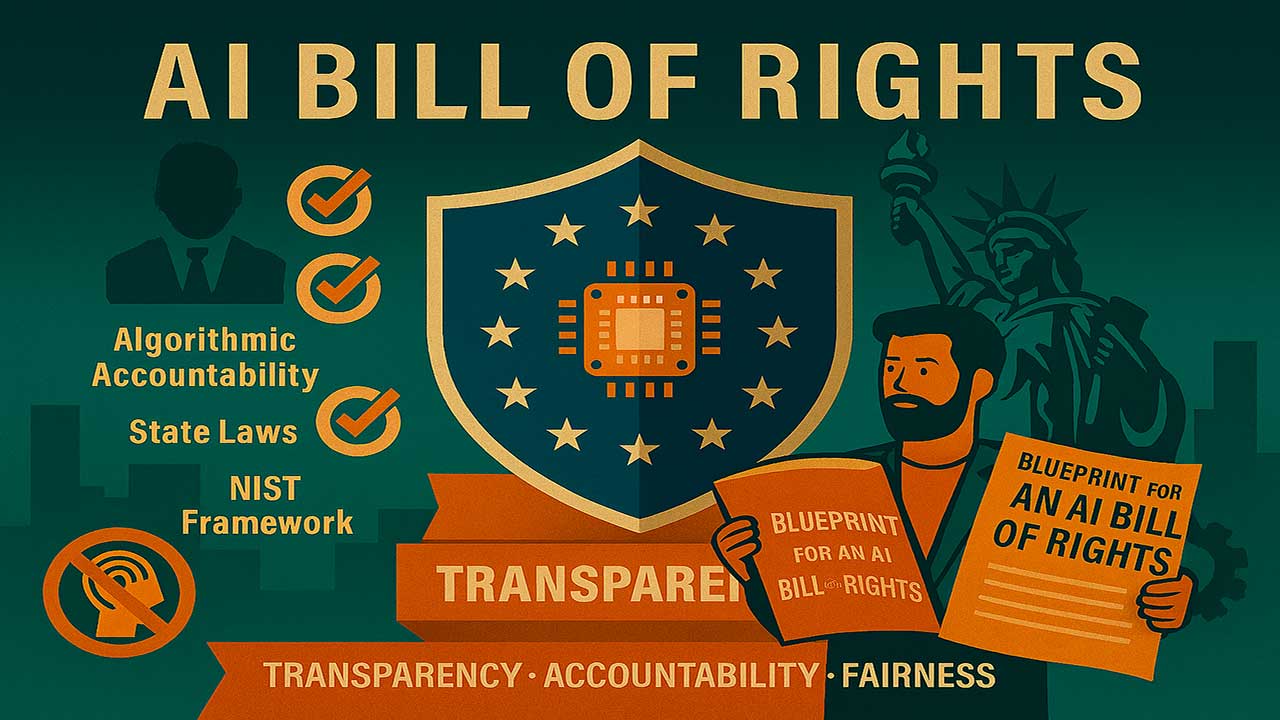
In the United States, there is a growing focus on AI risk management and the need for responsible and ethical AI practices. Governments and regulators are taking action to address the potential harms caused by AI and algorithms.
Leading the charge, the U.S. federal government has proposed the Algorithmic Accountability Act, while the National Institute for Standards and Technology (NIST) has developed an AI Risk Management Framework. Additionally, several states have passed or proposed laws to regulate AI use in specific areas, such as video interviews, bias audits, and insurance decisions.
The White House Office of Science and Technology Policy has recently published the Blueprint for an AI Bill of Rights, which outlines five principles to guide the design, use, and deployment of AI systems. These principles cover important aspects like system safety, algorithmic discrimination protections, data privacy, notice and explanation, and the availability of human alternatives.
To support organizations in implementing these principles, the White House has also released 'From Principles to Practice,' a technical companion document.
These efforts reflect a collaborative approach involving researchers, technologists, advocates, and policymakers to ensure the responsible development and use of AI. By fostering transparency, accountability, and fairness, the United States aims to set a positive example for AI governance worldwide.
- Details
- Written by: Super User
- Category: AI Safety Acts
- Hits: 696