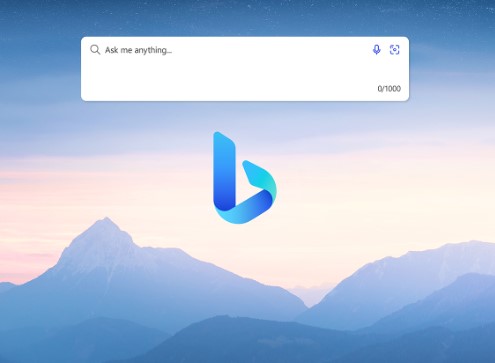
Microsoft has introduced a transformative evolution to its Bing search engine and Edge browser by launching an AI-enhanced experience embedded with ChatGPT features. This tech behemoth has meticulously crafted these platforms to deliver enhanced search outcomes, comprehensive responses, an innovative chat interface, and the capacity to generate content.
According to Microsoft's assessment, a staggering 10 billion search inquiries surface daily. However, approximately half of these queries remain unanswered, as people often employ search engines for purposes not originally envisioned by the software's creators. Satya Nadella, Microsoft's Chairman and CEO, remarked, "AI is poised to revolutionize every software category, commencing with the most encompassing of them all – search. Today, we're introducing AI-coordinated Bing and Edge to empower users in extracting more value from their web searches."
AI-Enhanced Search
Microsoft has unveiled that the upgraded Bing experience will be steeped in AI technology to enhance user interactions with the search engine. The official Microsoft 365 blog delineates several notable components:
- OpenAI Model: The revamped Bing relies on a cutting-edge OpenAI large language model customized specifically for search functionalities. This model, surpassing ChatGPT in potency, draws insights from ChatGPT and GPT-3.5, boasting swifter execution, greater precision, and expanded capabilities.
- Microsoft Prometheus Model: The company has developed a proprietary approach to leverage the OpenAI model optimally, dubbing it the Prometheus model. This amalgamation seeks to yield users more pertinent, timely, and targeted search outputs.
- AI-Infused Search Algorithm: Microsoft has seamlessly integrated its AI model into the core Bing search ranking engine, ushering in the most substantial surge in relevance witnessed in two decades. This integration enables even rudimentary search queries to yield more precise and pertinent results.
- Unified User Experience: Microsoft has revolutionized the user's interaction with search, browsing, and chat by seamlessly merging them into a unified encounter, thereby unearthing novel methods of engaging with the web.
Microsoft attributes the advent of these enriched search experiences to their commitment to harnessing Azure as a world-spanning AI supercomputer. This very infrastructure underpins OpenAI's breakthrough models, which are now optimized for Bing.
"Web Copilot"
The reimagined Bing and Edge browser are positioned as the user's "web copilot," given the integrated and unified experience they offer. The company elaborates on the features of this experience:
- Enhanced Search: AI-augmented search furnishes more pertinent outputs for aspects like sports scores, stock prices, weather updates, etc. A novel sidebar supplements this with detailed answers if users seek them.
- Comprehensive Responses: Bing reviews web results to pinpoint and summarize the answers users are seeking.
- Novel Chat Interface: For intricate queries, such as crafting a detailed travel itinerary, Microsoft has introduced an advanced chat experience. This feature iteratively refines search queries until users obtain the desired answers.
- Content Generation: The upgraded Bing can generate content for users, encompassing tasks like composing emails, preparing for job interviews, crafting quizzes, etc. Additionally, Bing cites its sources, providing links to the referenced web content.
- Enhanced Edge Browser: Microsoft has bestowed the Edge browser with fresh AI capabilities and a revamped appearance, incorporating "chat" and "compose" functions. The Edge Sidebar distills lengthy financial reports, while the chat function aids in comparing financial data. Moreover, Edge facilitates content creation, such as composing LinkedIn posts, with prompts that match the tone to the current webpage.
Microsoft and OpenAI
Last month, Microsoft revealed its extension of a long-standing partnership with OpenAI, marked by a multi-billion-dollar investment to expedite AI breakthroughs. This collaboration, which began in 2019, remains steadfast as the organizations strive to share AI technology worldwide. The extended partnership solidifies Microsoft's role as the exclusive cloud provider for OpenAI, enabling the deployment of OpenAI models to Microsoft's customer base, and increasing investments in OpenAI's independent AI research.
Recently introduced, the Teams Premium license exemplifies this partnership's potential, integrating OpenAI's GPT-3.5-powered Large Language Models to enhance meeting solutions, virtual appointments, and more.
Amidst these developments, Google has announced its own Generative AI chatbot, named "Bard," showcasing the momentum AI innovation has generated. This move is widely perceived as a response to Microsoft's ChatGPT initiatives.
Limited Preview
Microsoft confirms the limited preview availability of the new Bing experience on desktops. Users can explore sample queries and join the waitlist for the full release, with a forthcoming mobile preview on the horizon.